On underground utility projects, safety culture protects your schedule and budget as directly as it protects your crews. A jobsite where trench protection, utility locates, and traffic control are standard practice sees fewer stop-work incidents, fewer OSHA citations, and fewer costly delays. In Houston’s fast-moving commercial and industrial market, a contractor’s safety record is a leading indicator of whether your project finishes on time and on budget.
What is a safety culture on an underground project?
A safety culture is when every person on site treats hazard control as part of the work, not an add-on. It shows up in daily behavior, not just a binder in the trailer.
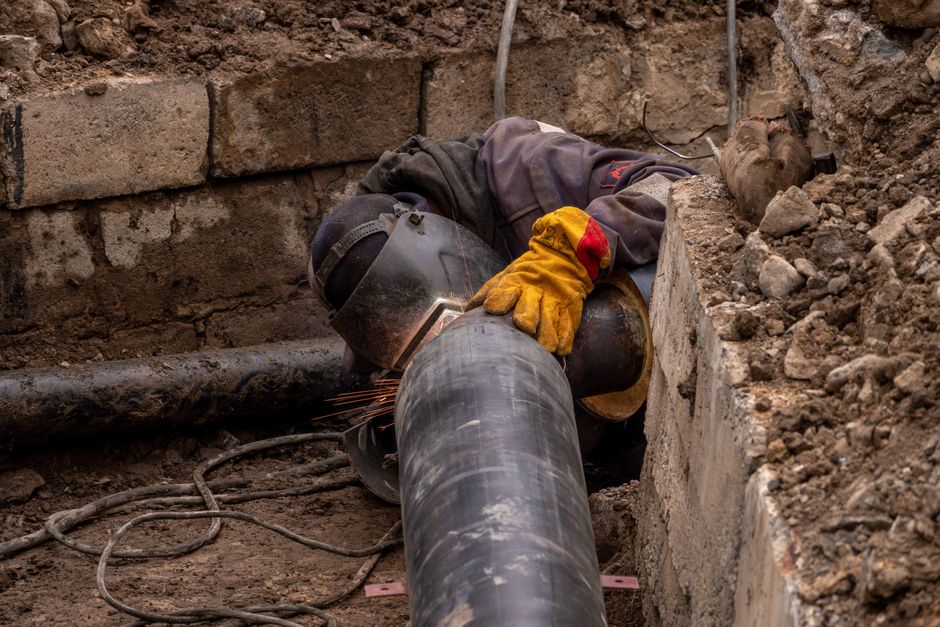
For underground utility construction across Houston, Harris County, and Montgomery County, that means trenching and excavation protocols, confined-space procedures, utility locates before any dig, and clear communication between the crew, the GC, and the owner.
- Pre-task planning — daily huddles that identify the day’s hazards before work starts.
- Trench protection — proper shoring, sloping, or benching on every excavation that requires it.
- Utility locates — verified locates and potholing before crews break ground.
- Accountability — anyone on site can call a stop-work without pushback.
How does safety protect schedule and budget?
Safety failures are schedule failures. An incident, a citation, or a struck utility line stops the work, triggers investigations, and pulls crews and equipment off the critical path.
A single trench collapse or utility strike can idle a site for days and force redesign, repair, and rework. That downtime cascades into every downstream trade waiting on your underground systems.
Where costs come from when safety slips
| Event | Direct cost | Schedule impact |
|---|---|---|
| Struck utility line | Repair, fines, third-party damages | Days lost, possible redesign |
| Trench collapse | Rescue, medical, equipment | Stop-work and investigation |
| OSHA citation | Penalties, corrective action | Halted operations |
| Injury | Workers’ comp, higher EMR | Crew replacement and retraining |
How a strong safety record affects your project cost
A contractor’s Experience Modification Rate (EMR) and incident history carry real financial weight. A low EMR reflects fewer claims, which supports better insurance terms and signals a crew that works clean and stays productive.
Owners and GCs increasingly screen underground contractors on safety metrics during prequalification. On data center and industrial projects, where uptime and coordination are non-negotiable, that scrutiny is even tighter.
What to look for in a Houston underground utility contractor
Credentials and a documented safety program tell you whether a contractor’s safety culture is real or just talk. Ask for specifics before you award the work.
- Verify licensing — Texas General Contractor, Master Plumbing, and Fire Sprinkler RME-Underground where the scope requires it.
- Review the safety program — written procedures, competent-person designations, and training records.
- Check the incident history — EMR and recordable rates over recent years.
- Confirm field practices — how they handle locates, trench protection, and daily hazard planning.
- Assess coordination — how they communicate schedule and safety with the GC and other trades.
Where safety and reliability meet on the job
At American Underground Services, safety is how we deliver domestic and fire water systems, sanitary and storm sewer collection systems, and civil infrastructure that’s code-compliant and built to last. Our leadership team brings over 40 years of combined experience in commercial and industrial utility construction, and we run every site with the same standard: protect people, protect the schedule, and protect the budget.
For GCs, owners, and developers across Houston and the surrounding counties, that discipline is what keeps underground work off the critical-path headlines and on track.
FAQ
Why does trench safety matter so much on underground utility work?
Trenching is one of the highest-risk activities in construction. Proper shoring, sloping, or benching prevents collapses that cause injuries, stop-work orders, and days of lost schedule.
How does a contractor’s EMR affect my project?
A lower EMR reflects fewer past incidents, which often supports better insurance terms and signals a crew that works safely and productively — reducing your risk of delays and change orders.
What licenses should an underground utility contractor in Texas hold?
Depending on scope, look for a Texas General Contractor license, Master Plumbing, and Fire Sprinkler RME-Underground designation for fire water systems.
Can safety issues really delay my whole project?
Yes. Underground systems are often on the critical path. An incident, citation, or utility strike can halt the site and delay every trade waiting on your water and sewer infrastructure.
Ready to build on a foundation of safety?
If you’re planning commercial, industrial, or data center utility work in Houston, Harris County, or Montgomery County, contact American Underground Services to discuss your project and request an estimate.